Introduction
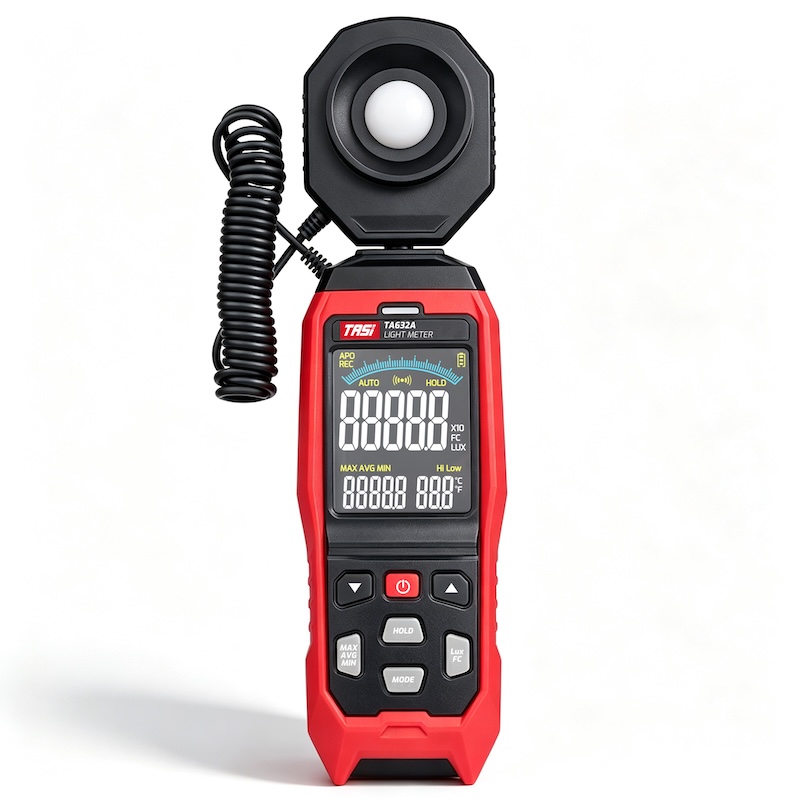
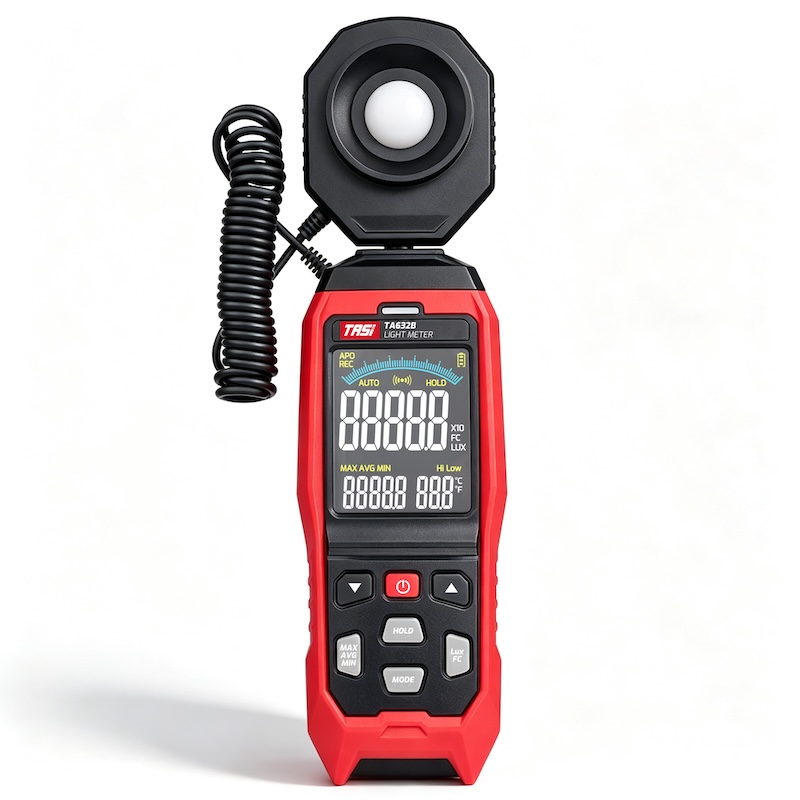
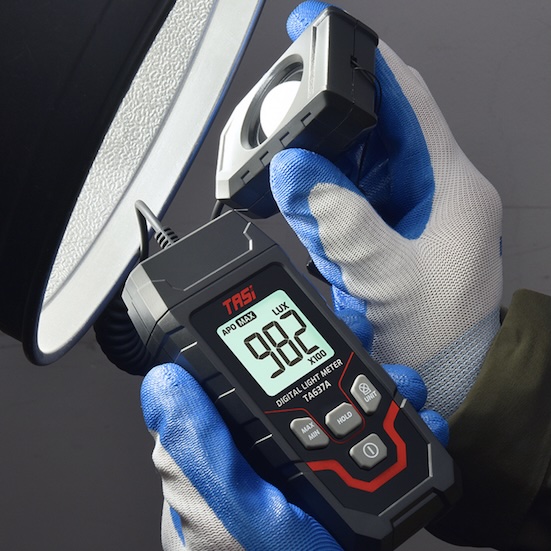
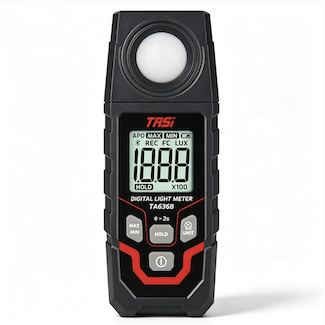
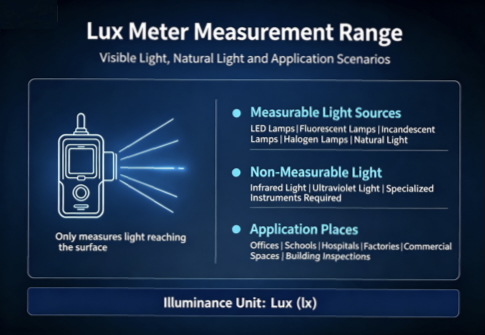
A digital lux meter (light meter) is a professional measurement instrument used to measure illumination levels in an environment. By using an optical sensor to detect light intensity, the instrument converts the received signal into readable values, usually displayed in lux (lx).
Digital lux meters are widely used in lighting engineering, industrial environments, architectural inspection, laboratories, commercial facilities, and workplace lighting assessments. The accuracy and stability of measurement results directly affect the reliability of inspection and evaluation processes.
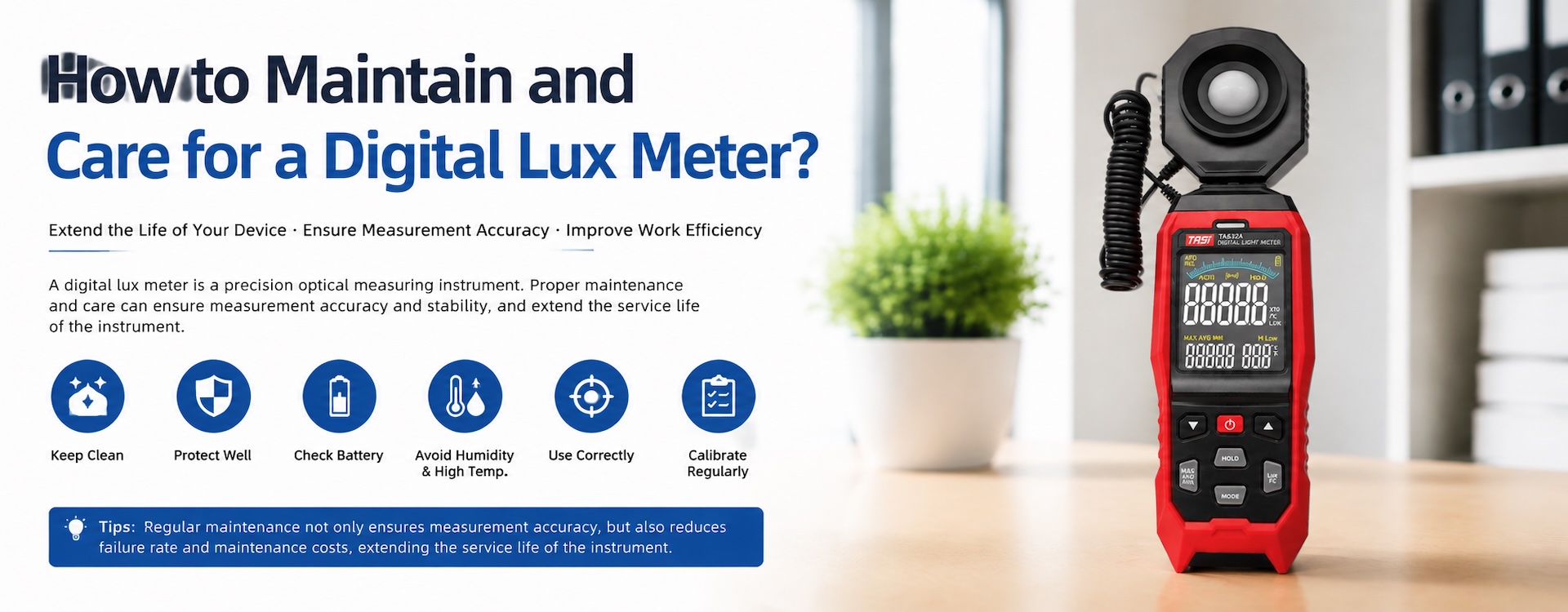
During long-term operation, factors such as dust contamination, sensor aging, battery condition, improper storage, and incorrect operation may affect measurement accuracy. Therefore, proper maintenance and regular care are essential to ensure reliable performance and extend the service life of the instrument.
Key Points
● Learn proper cleaning and maintenance methods for digital lux meters.
● Understand how to protect the optical sensor and avoid measurement errors.
● Learn suitable storage methods to prevent environmental damage.
● Understand the importance of calibration and performance checks.
● Improve measurement reliability and extend instrument service life.
Keep the Optical Sensor Clean
The optical sensor is the core component of a digital lux meter and directly affects measurement accuracy. Dust, fingerprints, oil stains, or other contaminants on the sensor surface can reduce light transmission and cause inaccurate readings.
● Regularly check the sensor surface for dust or contamination.
● Use a soft, lint-free cloth to gently clean the optical window and avoid scratching the surface.
● For stubborn stains, use a suitable optical cleaning solution if necessary.
● Avoid using aggressive solvents or corrosive cleaning agents that may damage the sensor or optical filter.
Keeping the sensor clean ensures accurate light detection and improves measurement consistency.
Protect the Lux Meter Sensor Properly
The sensor of a digital lux meter usually contains high-sensitivity optical components that require careful handling. Continuous exposure to strong light, high temperatures, or mechanical impact may affect sensor performance.
● Avoid leaving the instrument exposed to direct sunlight or high-temperature environments for extended periods.
● Do not measure light sources beyond the specified measurement range of the instrument.
● Keep the sensor covered with a protective cap when not in use to reduce dust accumulation and accidental damage.
● Avoid impact, pressure, or dropping the sensor during transportation.
Proper sensor protection helps maintain measurement sensitivity and long-term stability.
Check and Manage Battery Condition
Digital lux meters are commonly powered by batteries, and battery performance directly affects instrument operation.
● Remove batteries when the instrument will not be used for an extended period to prevent leakage damage.
● Replace batteries promptly when the display becomes unstable, the device is difficult to power on, or measurement performance changes.
● Use batteries that meet the required specifications.
● Do not mix different battery types or old and new batteries.
Proper battery management helps prevent damage and ensures stable operation during field measurements.
Avoid Humid and Extreme Storage Conditions
Digital lux meters contain precision electronic components and optical sensors that require suitable storage conditions.
● Avoid long-term storage in high-humidity environments to prevent internal corrosion or circuit damage.
● Do not expose the instrument to temperatures outside the recommended operating range for extended periods.
● Keep the instrument away from water, oil, and corrosive substances.
● Store the device in a dry, ventilated environment away from strong magnetic fields.
For long-term storage, it is recommended to keep the instrument in a protective case and use appropriate moisture protection when necessary.
Use and Operate the Lux Meter Correctly
Proper operation is essential for reducing wear and maintaining measurement accuracy.
● Position the optical sensor correctly according to the instrument instructions.
● Avoid blocking the sensor with hands or other objects during measurement.
● Keep the sensor stable during testing to avoid unstable readings caused by movement.
● Do not disassemble the instrument without authorization, as this may affect internal components and calibration accuracy.
Correct operating procedures reduce measurement errors and help extend the service life of the instrument.
Perform Regular Calibration Checks
Over time, the performance of optical sensors may gradually change. Regular calibration is important to ensure reliable measurement accuracy.
● Frequently used lux meters should be checked and calibrated according to actual application requirements.
● Instruments used for laboratory testing, engineering verification, or quality inspection should follow appropriate calibration management procedures.
● If measurement results become abnormal, check the instrument condition and verify calibration status.
● Calibration should be performed by qualified personnel or professional calibration organizations.
Regular calibration ensures that measurement data remains accurate and suitable for professional applications.
Proper Long-Term Storage Management
When a digital lux meter is not used for a long period, proper storage procedures should be followed.
● Clean the instrument surface and sensor before storage.
● Turn off the device and remove batteries.
● Store the instrument in a protective case to prevent dust and impact.
● Periodically check the instrument condition during long-term storage.
Good storage practices reduce aging effects and improve reliability when the instrument is used again.
Common Maintenance Mistakes
Some improper maintenance methods may reduce instrument performance or shorten service life.
● Cleaning the sensor with hard materials may scratch the optical surface.
● Storing the instrument in hot or humid environments may damage electronic components.
● Ignoring battery leakage may cause internal corrosion.
● Using an instrument without calibration checks may result in measurement deviations.
● Unauthorized disassembly may affect the original accuracy and performance.
Avoiding these mistakes helps maintain measurement reliability and extend instrument lifespan.
Establish a Suitable Maintenance Schedule
Maintenance frequency depends on the working environment and usage conditions of the digital lux meter.
● For general environmental measurements, regular cleaning and basic inspection are usually sufficient.
● For industrial, laboratory, or engineering applications, more frequent maintenance and calibration management may be required.
● For intensive daily use, increase the frequency of sensor inspection and performance checks.
A suitable maintenance plan helps reduce equipment failures and improves measurement efficiency.
FAQ: Digital Lux Meter Maintenance
How often should a digital lux meter be cleaned?
● Cleaning frequency depends on the working environment. Regular inspection is recommended, while dusty industrial environments may require more frequent cleaning.
Can the lux meter sensor be washed with water?
● No. Water may enter the sensor or electronic components. Use a dry soft cloth or suitable optical cleaning tools instead.
Does a digital lux meter require regular calibration?
● Yes. Sensor characteristics may change over time, and regular calibration helps maintain measurement accuracy and reliability.
How should a lux meter be stored when not in use?
● Turn off the instrument, remove the batteries, clean the device, and store it in a dry, dust-free environment.
Why does my lux meter become less accurate over time?
● Possible causes include sensor contamination, low battery power, environmental influence, or lack of calibration. Check each factor and perform necessary maintenance.
Conclusion
A digital lux meter is a precision optical measurement instrument, and its accuracy depends not only on the instrument design but also on proper maintenance and operation.
By keeping the sensor clean, managing batteries correctly, avoiding harsh environments, following proper operating procedures, and performing regular calibration, users can significantly improve measurement reliability and extend instrument service life.
For lighting inspection, engineering evaluation, industrial measurement, and laboratory applications, effective maintenance management is essential to ensure accurate and dependable illumination measurements.