Introduction
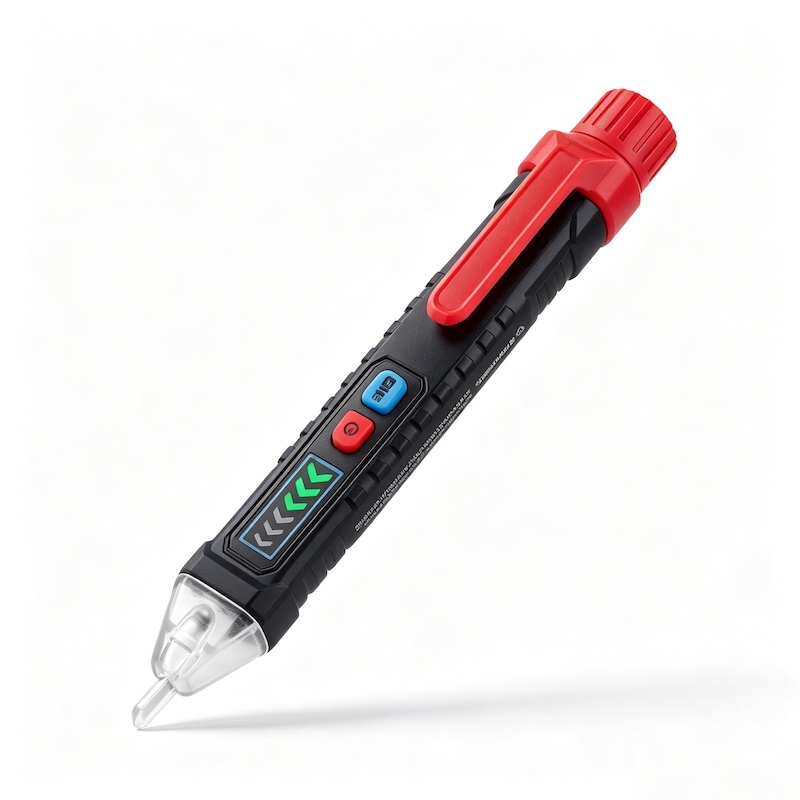
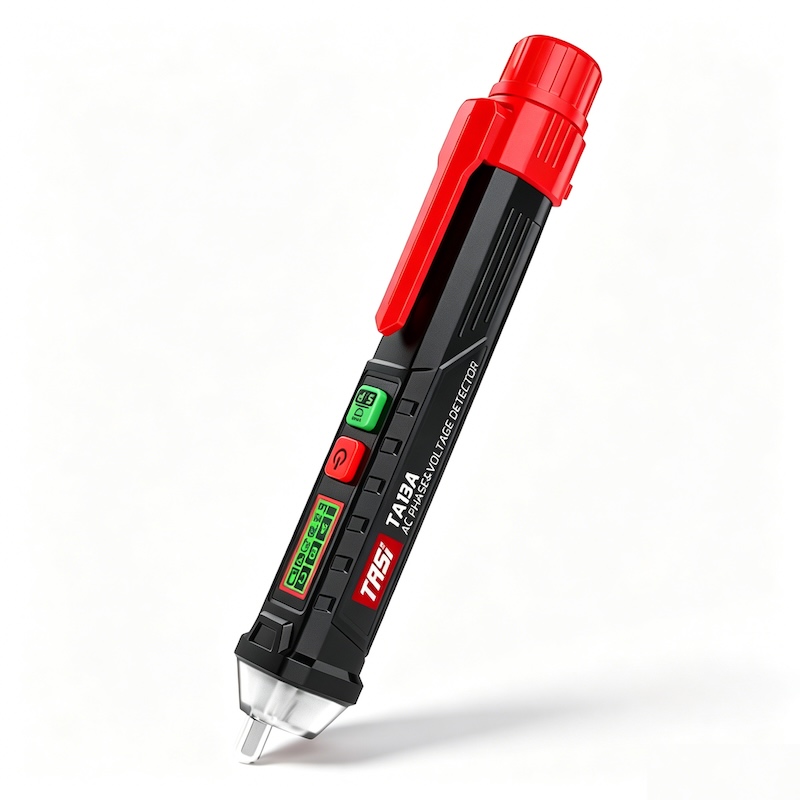
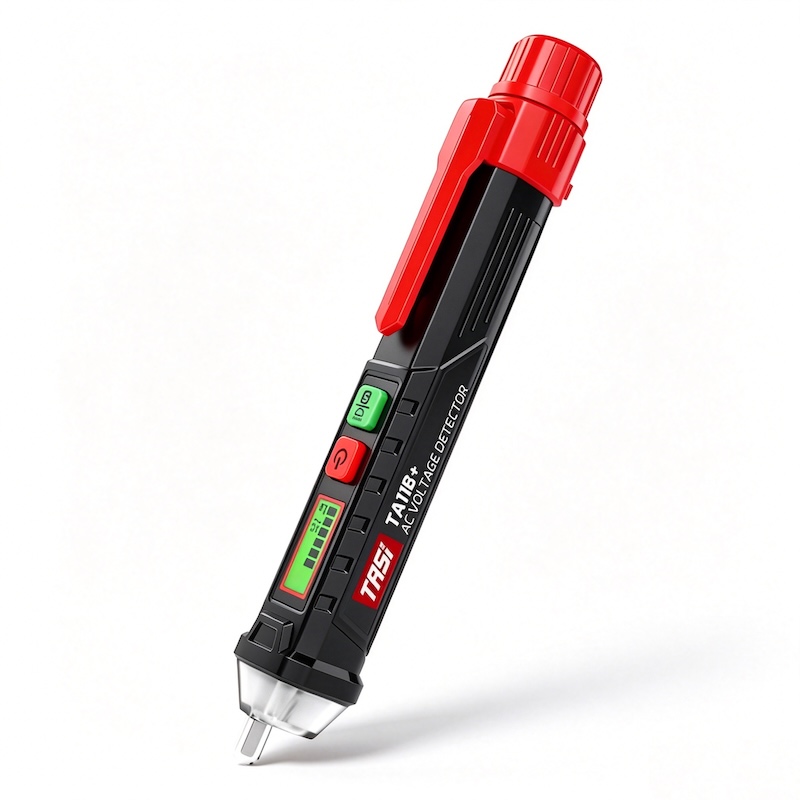
A non-contact voltage tester detects the alternating electric field surrounding an energized AC conductor. It does not directly measure the actual voltage between two electrical points.
Under normal conditions, an audible or visual alarm when the tester is brought near a live conductor, outlet, or energized cable is expected. However, if the tester continues to alarm after being moved away from an obvious live source, or reacts continuously in many different locations, further investigation is necessary.
Possible causes include nearby energized wiring, excessive detection sensitivity, capacitive coupling, electromagnetic interference, static electricity, environmental conditions, or a problem with the tester itself.
Key Points
● A non-contact voltage tester detects AC electric fields rather than directly measuring circuit voltage. Nearby energized conductors can therefore affect the result.
● High-sensitivity modes may trigger an alarm even when the tester is relatively far from the conductor.
● Parallel wiring, induced voltage, and nearby electrical equipment can cause continuous or repeated alarms.
● Static electricity, moisture, handling position, and surrounding objects may influence detection.
● Low battery power, contamination around the sensing tip, or an internal fault can cause abnormal indications.
● A non-contact voltage tester should not be the only method used to verify that a circuit is de-energized.
Why Can a Non-Contact Voltage Tester Alarm Continuously?
A non-contact voltage tester contains a high-impedance sensing circuit designed to detect changes in the surrounding AC electric field. When the electric field at the sensing tip exceeds the tester's trigger threshold, the instrument activates an audible, visual, or display indication.
This means the sensing tip does not have to touch a bare conductor to produce an alarm. If the surrounding electric field is sufficiently strong, the tester may respond from a distance.
Continuous alarms generally fall into two categories:
● A persistent AC electric field is genuinely present nearby, and the tester is responding normally.
● The actual energized source is farther away, but high sensitivity, environmental interference, or an instrument problem causes the tester to remain active.
The first step in troubleshooting is therefore to distinguish between a genuine nearby electric field and an abnormal indication.
Nearby Energized Wires or Electrical Equipment
This is one of the most common causes.
Even if the tester is not directly next to a specific conductor, energized AC wiring in the surrounding area may create an electric field strong enough to trigger the sensor.
Typical examples include:
● Multiple energized cables installed close together;
● Distribution panels and electrical cabinets;
● Power strips and AC adapters;
● Energized wiring inside walls;
● Motors, transformers, and other AC-powered equipment.
If the alarm becomes weaker or stops as the tester is moved farther away from the area, the instrument is most likely responding to a real surrounding electric field.
The Tester Is Set to High Sensitivity
Some non-contact voltage testers provide high- and low-sensitivity modes or different voltage detection ranges.
Low-voltage detection modes generally require greater sensitivity so that weaker electric fields can be detected. The disadvantage is that the tester may also respond more easily to adjacent energized conductors.
Typical symptoms include:
● The tester alarms relatively far from the cable;
● Several conductors in the same cable tray appear to trigger the tester;
● A wide area around an outlet causes an alarm;
● It becomes difficult to identify which conductor is actually energized.
If sensitivity adjustment is available, switch to a lower-sensitivity mode and repeat the test closer to the intended conductor.
If the alarm zone becomes significantly smaller, the previous continuous indication was probably caused primarily by the high-sensitivity setting.
Capacitive Coupling Between Adjacent Conductors
In electrical installations, energized and de-energized conductors are often routed parallel to each other.
The alternating electric field from an energized conductor can capacitively couple into a nearby disconnected conductor and create a small induced potential. This phenomenon is commonly referred to as induced voltage, coupled voltage, or sometimes “ghost voltage.”
Because a non-contact voltage tester has a very high input sensitivity, even an electric field with very little available energy may be sufficient to trigger an indication.
Possible situations include:
● A disconnected conductor still triggers an alarm;
● A neutral conductor produces a weak indication;
● Several cores within the same cable appear active;
● An unconnected conductor running parallel to a live conductor produces a response.
This is why an NCV tester is useful for rapid live-wire screening but should not be used to determine the actual voltage value.
Strong Electromagnetic Interference Nearby
Certain electrical and electronic devices generate strong alternating fields or high-frequency interference that may affect a non-contact voltage tester.
Common interference sources include:
● Variable-frequency drives;
● Switching power supplies;
● LED drivers;
● Electric motors;
● Transformers;
● Inverters;
● High-frequency electronic equipment.
If the tester alarms continuously only near a particular machine or device and operates normally after being moved away, electromagnetic interference should be considered.
Testing the instrument in a simpler electrical environment can help determine whether the site itself is causing the abnormal response.
Static Electricity Can Cause Temporary Alarms
People, plastic materials, insulated housings, and other objects can accumulate static electricity, especially in dry environments.
Because NCV testers are designed to respond to electric-field changes, electrostatic discharge or rapid changes in a static electric field may occasionally produce a brief beep or flash.
Typical characteristics include:
● The alarm lasts only briefly;
● The indication disappears after changing position;
● It may occur after touching plastic or insulating materials;
● It is more common in dry environments.
If the tester continues to alarm for an extended period in an area clearly separated from AC wiring, static electricity alone is unlikely to be the cause.
Hand Position and Body Coupling Can Affect Detection
The response of a non-contact voltage tester can also be influenced by capacitive coupling between the user's body and the surrounding environment.
Grip position, body grounding conditions, and the distance between the tester and conductor may all affect sensitivity.
Examples include:
● Holding the tester too close to the sensing tip;
● Standing or leaning close to energized equipment;
● Testing near several energized conductors at the same time;
● Large variations in the distance between the sensing tip and the target.
Hold the tester in the position specified by the manufacturer and bring only the sensing tip close to the conductor being investigated whenever possible.
This helps reduce the effect of nearby electrical sources.
Moisture, Dirt, or an Abnormal Sensing Tip
Water, dust, conductive contamination, or condensation around the sensing area may affect the high-impedance detection circuit.
In humid or contaminated conditions, the tester may show unstable sensitivity, intermittent alarms, or continuous indications.
Recommended checks include:
● Stop using the tester while it is wet;
● Clean and dry the instrument according to the manufacturer's instructions;
● Inspect the sensing tip for physical damage;
● Allow the tester to dry completely before performing another functional check.
If the enclosure or sensing tip is cracked or visibly damaged, discontinue use.
Low Battery Power or Unstable Supply Voltage
A non-contact voltage tester relies on electronic circuitry to detect relatively weak electric fields, so stable battery power is important.
Depending on the design, a low battery may activate a dedicated low-battery indicator. In some instruments, insufficient battery power can also result in unstable operation, abnormal beeping, unusual LED behavior, or altered sensitivity.
If environmental causes do not explain the continuous alarm:
● Check for a low-battery indication;
● Replace the batteries with new batteries of the specified type;
● Restart the tester;
● Compare its response at a known energized source and in an area without an obvious electric field.
If abnormal alarms continue after battery replacement, the tester itself should be investigated.
The Tester May Be Faulty
If the tester continues to alarm after it has been moved well away from outlets, cables, electrical appliances, and other AC sources, and replacing the batteries does not solve the problem, an internal fault may be present.
Possible causes include:
● Fault in the sensing circuit;
● Sensor malfunction;
● Button or mode-selection fault;
● Internal moisture ingress;
● Damage caused by dropping or impact;
● Cracked or damaged enclosure or sensing tip.
A tester showing these symptoms should not be relied on for electrical safety decisions. Remove it from service and follow the manufacturer's inspection, repair, or replacement procedure.
How Can You Tell Whether the Alarm Is Normal or a False Indication?
Changing the test conditions can help identify the source of the alarm.
● Move away from the target conductor: If the indication gradually weakens and eventually stops as distance increases, the tester is probably detecting a genuine electric field.
● Move to another test area: If the tester operates normally away from electrical panels, wiring, and appliances, the original location may contain strong electric fields or interference.
● Change the sensitivity: If the alarm zone becomes much smaller in low-sensitivity mode, the original indication was likely related to excessive sensitivity.
● Replace the batteries: This helps eliminate unstable power as a possible cause.
● Test a known energized source: Confirm that the tester responds correctly to a known AC voltage source.
● Verify with an appropriate contact instrument: If the indication does not match expectations, use a digital multimeter or another suitable contact-type tester to confirm the actual electrical condition.
How to Troubleshoot a Non-Contact Voltage Tester That Keeps Beeping
A practical troubleshooting sequence is:
● Move the tester away from the conductor currently being checked and observe whether the alarm stops;
● Move farther away from outlets, electrical panels, power cables, and operating electrical equipment;
● If available, switch to a lower-sensitivity mode and repeat the test;
● Check for nearby variable-frequency drives, motors, switching power supplies, or other potential interference sources;
● Inspect the sensing tip for moisture, contamination, or damage;
● Check the batteries and replace them if necessary;
● Verify the tester on a known energized AC source;
● If the tester still alarms continuously in an area without an obvious AC field, remove it from service for further inspection.
By changing one condition at a time, it is usually possible to determine whether the problem originates from the circuit, the environment, or the tester itself.
What Should You Keep in Mind When Using a Non-Contact Voltage Tester?
The main advantage of a non-contact voltage tester is the ability to quickly determine whether an AC electric field may be present.
However, detection performance can be affected by distance, insulation thickness, shielding, sensitivity settings, and surrounding electrical conditions.
Important precautions include:
● Before use, verify correct operation on a known energized source;
● After testing, the instrument can be checked again on a known energized source to confirm continued operation;
● Never assume a circuit is completely de-energized only because the tester does not alarm;
● Do not use an NCV tester to determine or estimate an exact voltage value;
● Shielded cables, metal enclosures, thick insulation, and certain wiring configurations may reduce detection capability;
● When electrical safety procedures require verification of an electrically safe or de-energized condition, use appropriate contact-type test equipment and follow the applicable safety procedure.
FAQ
Is it normal for a non-contact voltage tester to keep beeping after it is moved away from a wire?
It can be normal if other energized conductors, wiring inside a wall, or electrical equipment are still nearby. If the alarm stops after moving the tester to an area away from AC power sources, the previous indication was probably caused by the surrounding electric field.
Why does the voltage tester beep near a neutral conductor?
The neutral may be close to an energized line conductor and exposed to capacitive coupling. Wiring arrangement and high tester sensitivity can also cause a weak indication near neutral conductors.
Why does a disconnected wire still trigger the tester?
A disconnected conductor routed alongside an energized conductor can acquire an induced voltage through capacitive coupling. Because an NCV tester is highly sensitive, it may detect the resulting electric field. Use an appropriate contact-type instrument if the actual voltage must be confirmed.
Does continuous beeping immediately after power-on mean the tester is defective?
Some testers produce a short audible and visual self-test when switched on. This is normal. However, if continuous alarming persists in an area away from obvious AC sources and remains after replacing the batteries, the instrument may require inspection.
Is higher sensitivity always better?
No. Higher sensitivity helps detect weaker electric fields and lower-voltage circuits, but it also makes the tester more susceptible to adjacent conductors and environmental interference.
Can a circuit be considered de-energized if the tester does not beep?
No. Thick insulation, shielding, distance, instrument condition, and environmental factors can prevent a non-contact tester from detecting an electric field. When safety depends on verifying a de-energized condition, an appropriate contact measurement method should also be used.
Conclusion
A non-contact voltage tester that keeps beeping is not necessarily defective. Nearby energized wiring, high sensitivity, capacitive coupling between conductors, electromagnetic interference, static electricity, and environmental conditions can all cause continuous or repeated indications.
Troubleshooting should begin by moving the tester away from the current test point and surrounding electrical equipment, then checking sensitivity settings, the batteries, the sensing tip, and the instrument's behavior in a different environment.
Most importantly, a non-contact voltage tester is designed primarily for rapid screening for the possible presence of an AC electric field. It does not provide a precise voltage measurement and should not be the sole method used to verify that a circuit is completely de-energized. When electrical safety is involved, use appropriate contact-type test equipment and the correct safety procedure.