Introduction
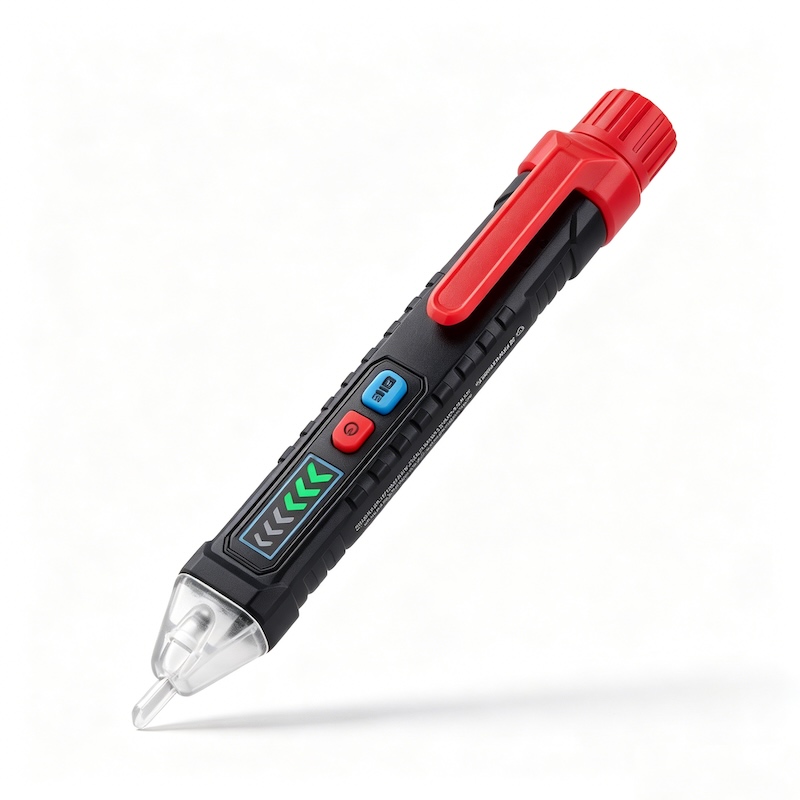
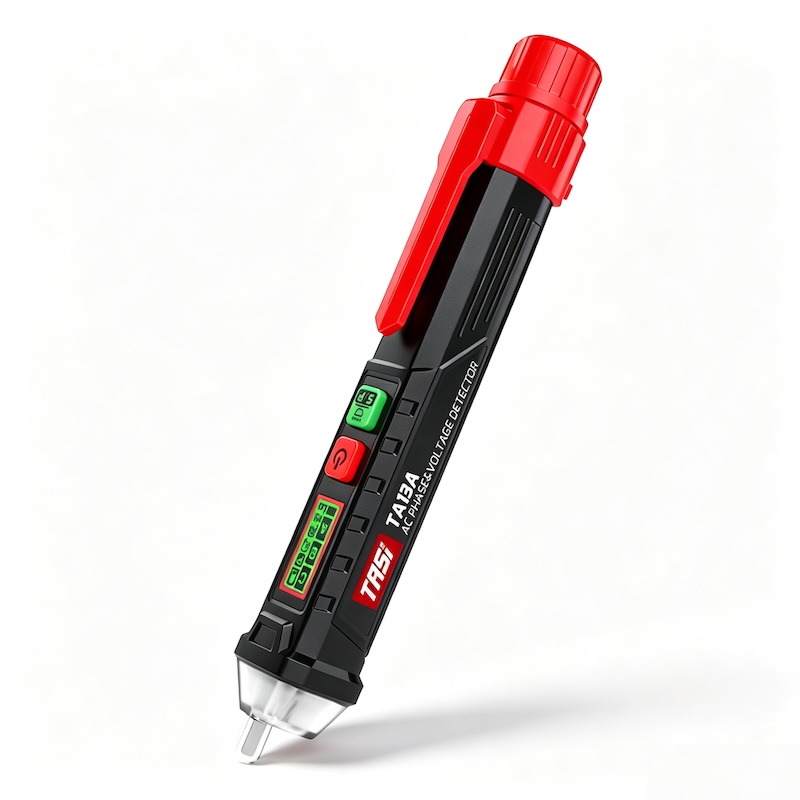
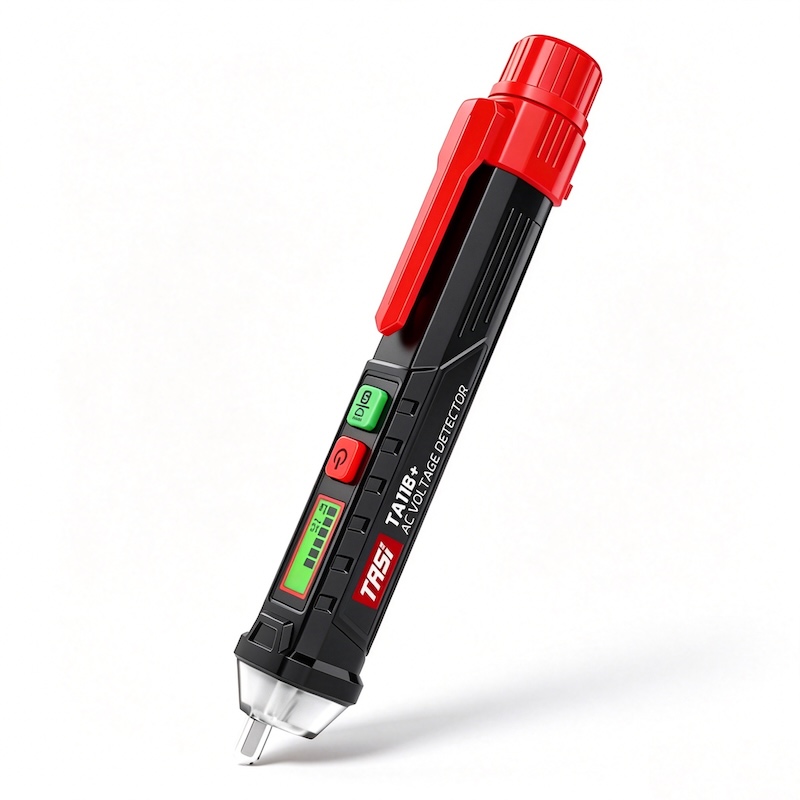
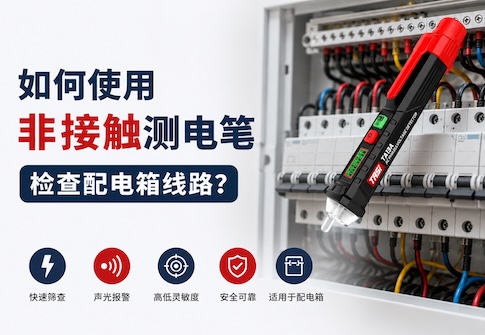
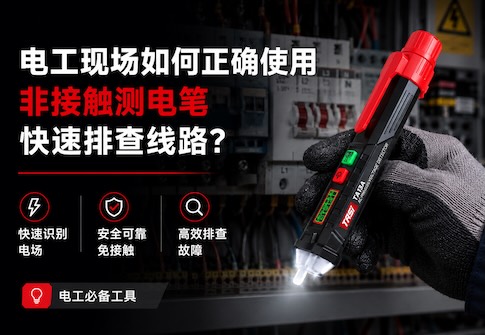
When checking wiring in an electrical panel, inside equipment, above a ceiling or in another poorly lit area, you may need one hand for the tester and the other for a light. A non-contact voltage tester with a built-in flashlight combines local illumination with AC voltage detection, reducing the need to carry and switch between separate tools.
Whether it is worth choosing depends on more than the added light. Consider whether the light is useful, the voltage alerts are clear and the tester’s detection performance suits the work environment. For people who often inspect wiring in dim areas, the flashlight can be practical. If most work takes place in well-lit conditions, its value depends on how often it will be used and the price difference.
Key Takeaways
● The flashlight improves convenience in dim areas; it does not improve voltage detection or replace other electrical test instruments.
● Check the detection range, audible and visual alerts, controls, light position, battery and durability.
● A non-contact voltage tester can help identify wiring that may be live, but it should not be used by itself to confirm that a circuit is de-energized.
Is the Flashlight Feature Worth Having?
If you often inspect electrical panels, areas around outlets, the inside of equipment or wiring in poorly lit locations, an integrated light can help you see conductors, terminals and nearby components. It also avoids the inconvenience of holding a tester in one hand and a separate flashlight in the other. This can be useful for household checks, equipment inspections and field maintenance.
If you usually work in well-lit spaces or already use a suitable headlamp or work light, you may rarely need the built-in flashlight. In that case, prioritize the tester’s detection range, alert system and operating reliability rather than choosing a model solely because it includes a light.
Treat the flashlight as auxiliary illumination. Its beam direction, coverage and switch location matter more than simply having an extra LED.
What to Look for When Choosing One
● Detection range and intended voltage: Check the voltage range and applications stated by the manufacturer, and confirm that they suit your household or maintenance work. Sensitivity and detection range vary by model.
● Clear alerts: Look for clear indicators such as a light, buzzer or vibration. Make sure the voltage alert is easy to distinguish from the flashlight control.
● Practical lighting: Check whether the beam illuminates the test area, whether the light can be switched on easily with one hand and whether it is comfortable to hold while testing.
● Controls and status indicators: Check the power control, low-battery indicator and automatic shut-off, if provided. Refer to the product manual for model-specific features.
● Construction and operating conditions: Review durability, ingress protection and operating temperature for the work environment. For professional use, also check the safety category and applicable specifications stated for the product. Do not infer suitability from the terms “voltage tester” or “flashlight” alone.
Limitations and Safety
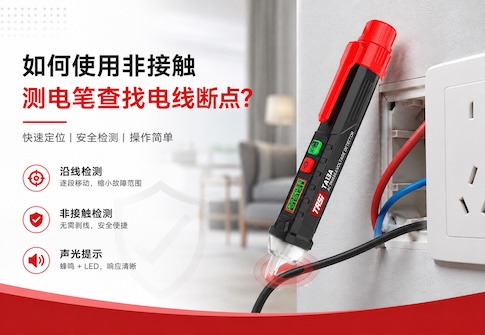
A non-contact voltage tester detects an electric field associated with nearby AC voltage and is generally used for preliminary checks. Insulation, conductor position, surrounding electric fields, shielding and the tester’s sensitivity can all affect the result. No alert does not prove that a circuit is de-energized, and an alert does not provide a specific voltage reading.
Before and after use, check that the tester works by testing it on a known live source, as directed in the product manual. When servicing electrical equipment or confirming that a circuit is de-energized, a qualified person should follow the applicable safety procedures and use suitable test equipment. OSHA’s electrical work rules require qualified persons to use test equipment to verify de-energized conditions; Fluke likewise recommends checking a non-contact tester on a known voltage source before and after use. www.osha.gov
FAQ
● Does the flashlight make the tester better at detecting voltage? No. The flashlight provides illumination. Detection performance depends on the tester’s design, sensitivity, specified range and operating conditions.
● Do homeowners need a model with a flashlight? It can be convenient for checking wiring in dimly lit panels, cabinets or other confined areas. If you rarely work in such places, decide based on your needs and the tester’s other features.
● If the tester gives no alert, does that mean the circuit is de-energized? No. Non-contact detection can be affected by wiring, position and environmental conditions. It should not be used by itself to verify that a circuit is de-energized.
Conclusion
A non-contact voltage tester with a flashlight is a practical choice for people who often make preliminary wiring checks in poorly lit areas. Its main benefit is convenient illumination, not improved voltage detection. Check the detection range, alerts and suitability for the work before considering the flashlight design. Use the tester for preliminary checks only; it cannot, by itself, confirm that a circuit is de-energized.